Colombia Sugarcane Decaf
Online ordering opens soon. Get in touch to reserve a bag.
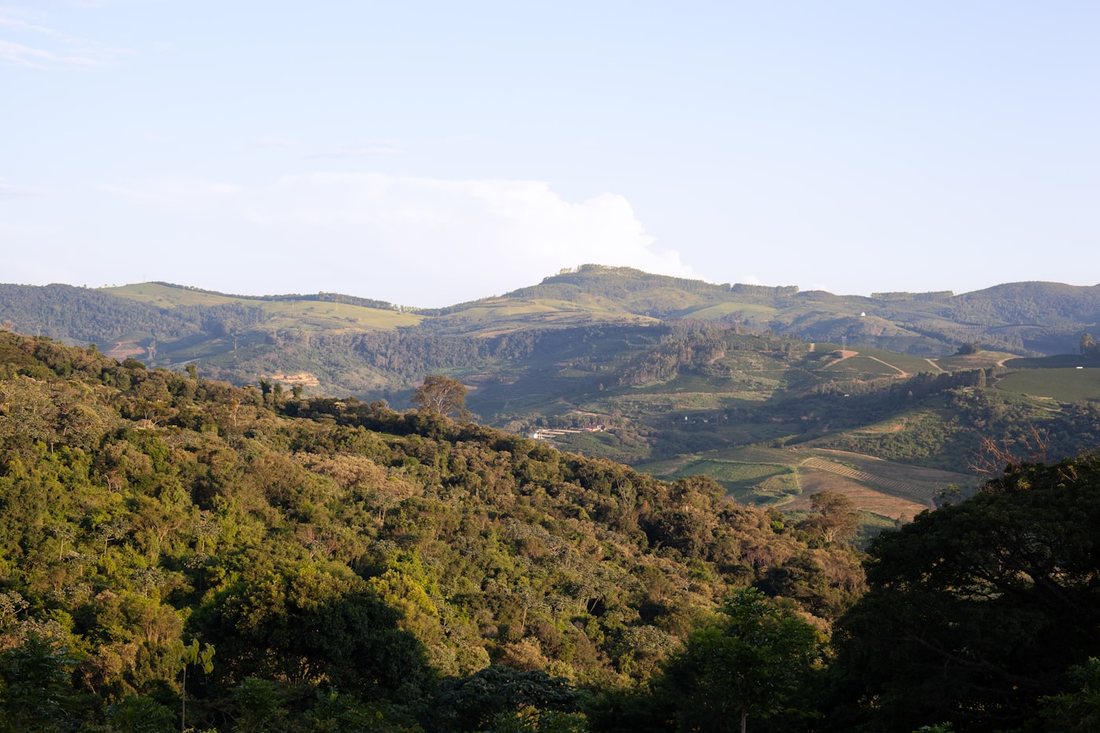
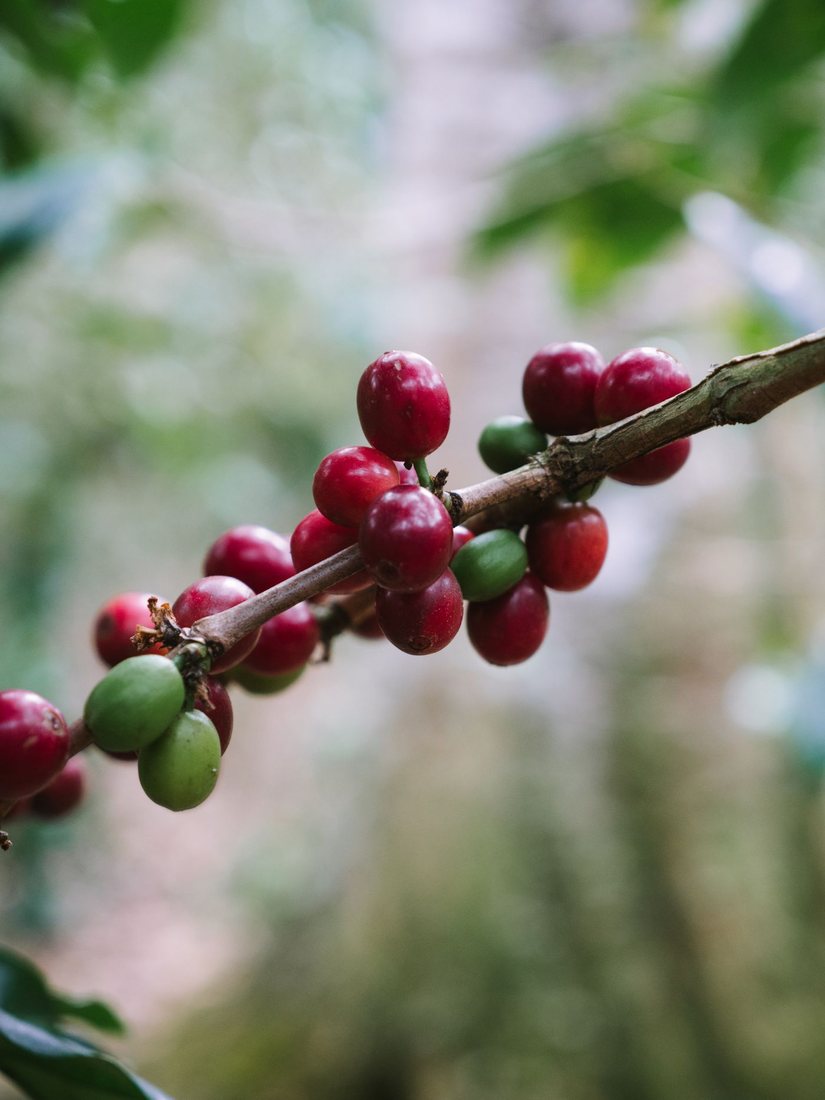
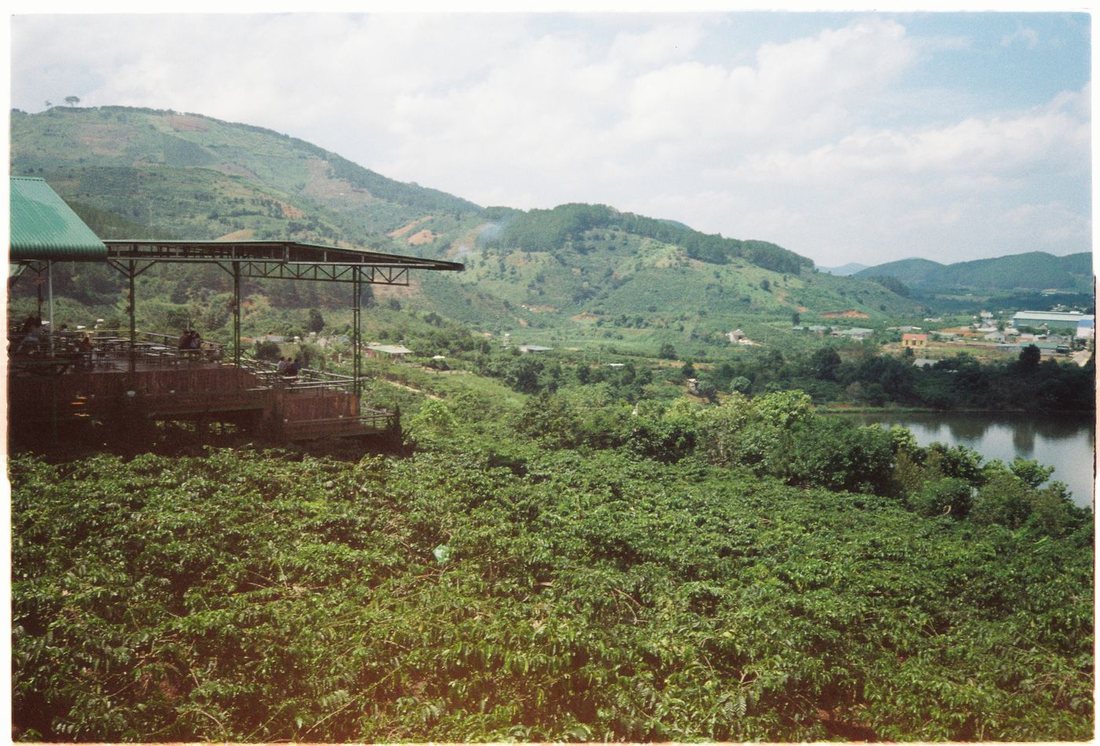
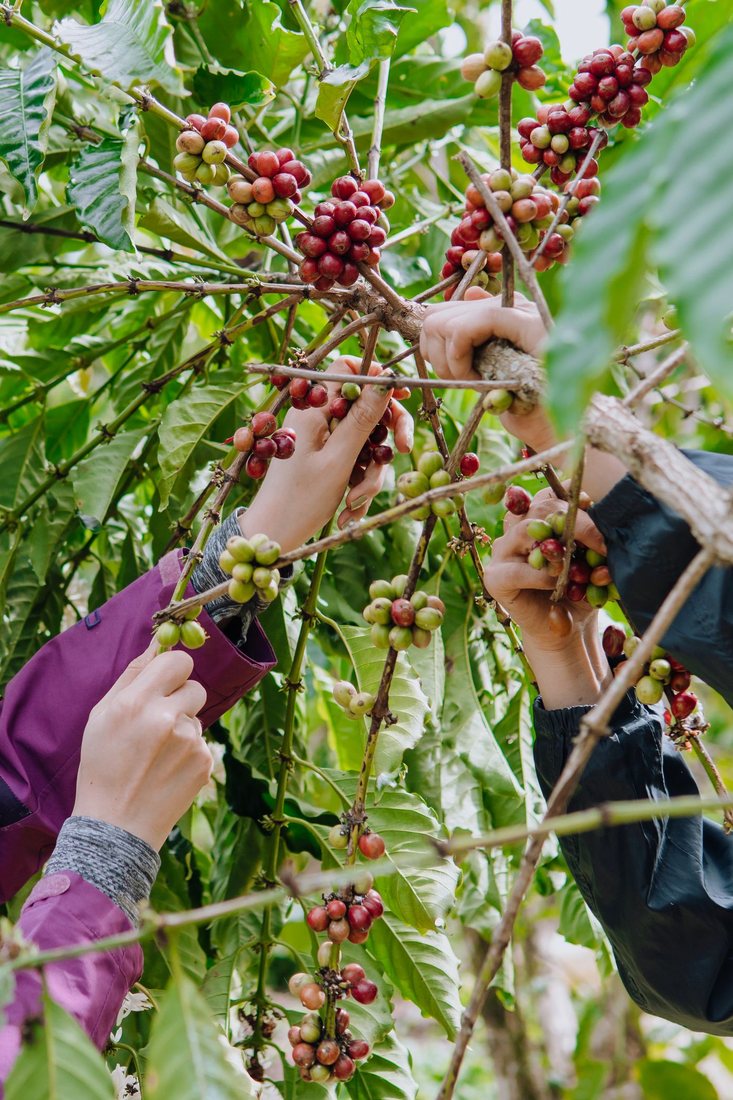
Smallholder farms across the Valle del Cauca grow the Caturra and Castillo in this lot at around 1,750 meters.
The valley lies between Tatamá National Park and the Serranía de los Paraguas, inside one of Colombia's two main biological conservation corridors and part of the UNESCO-listed Coffee Cultural Landscape. The mountains enclosing it hold a stable microclimate all year, which is much of why coffee ripens here the way it does.
After washing, the coffee is decaffeinated with ethyl acetate made from sugarcane. The process removes up to 97 percent of the caffeine and leaves the cup intact.
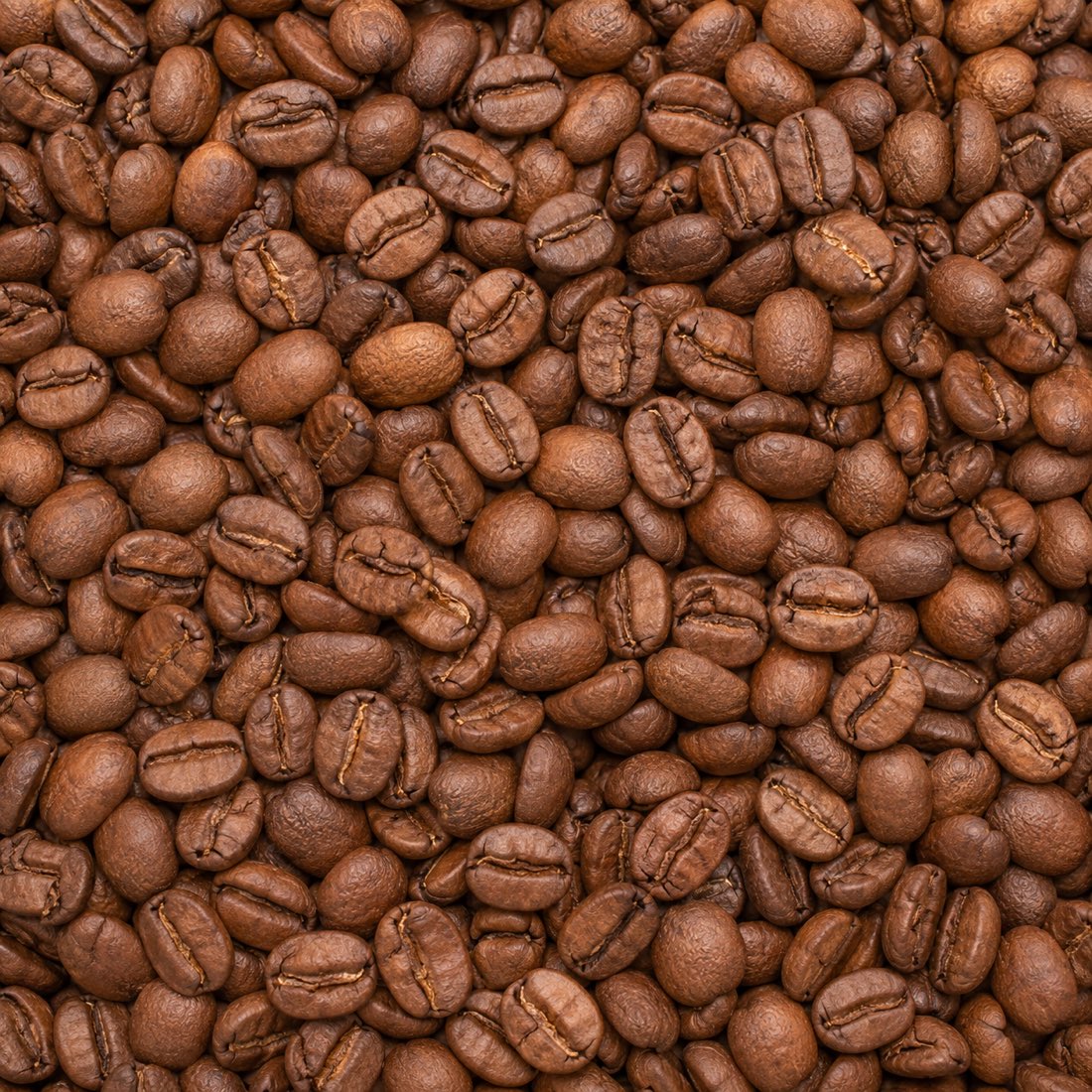
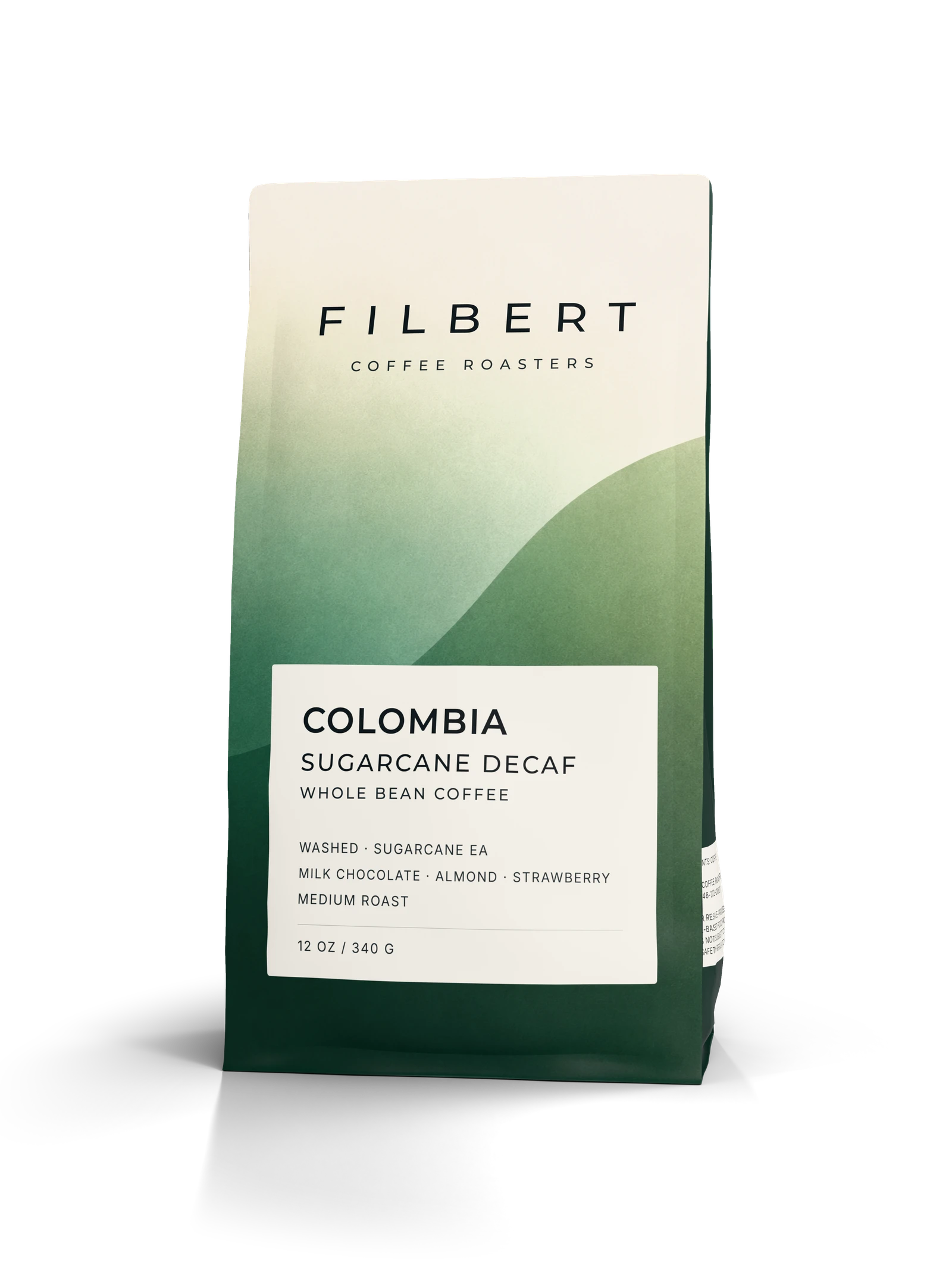
We roast it to a medium profile: milk chocolate, almond, strawberry. Exceptional flavor, without compromise.
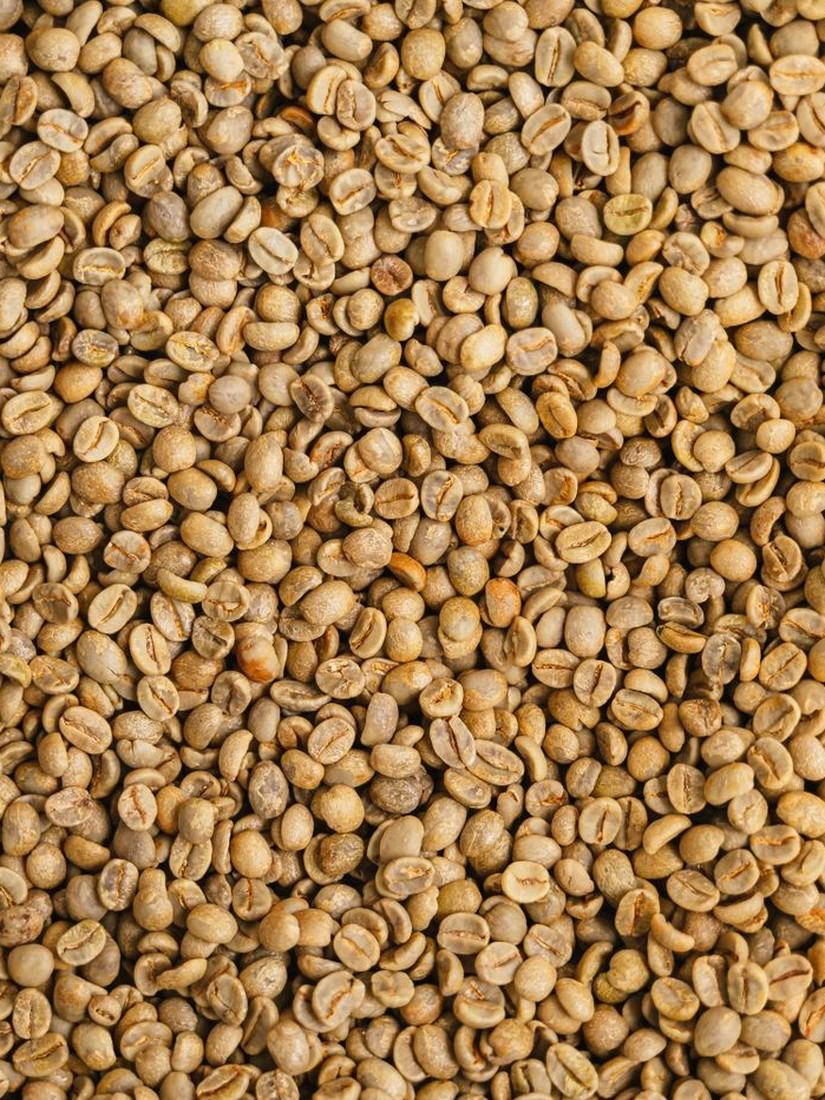
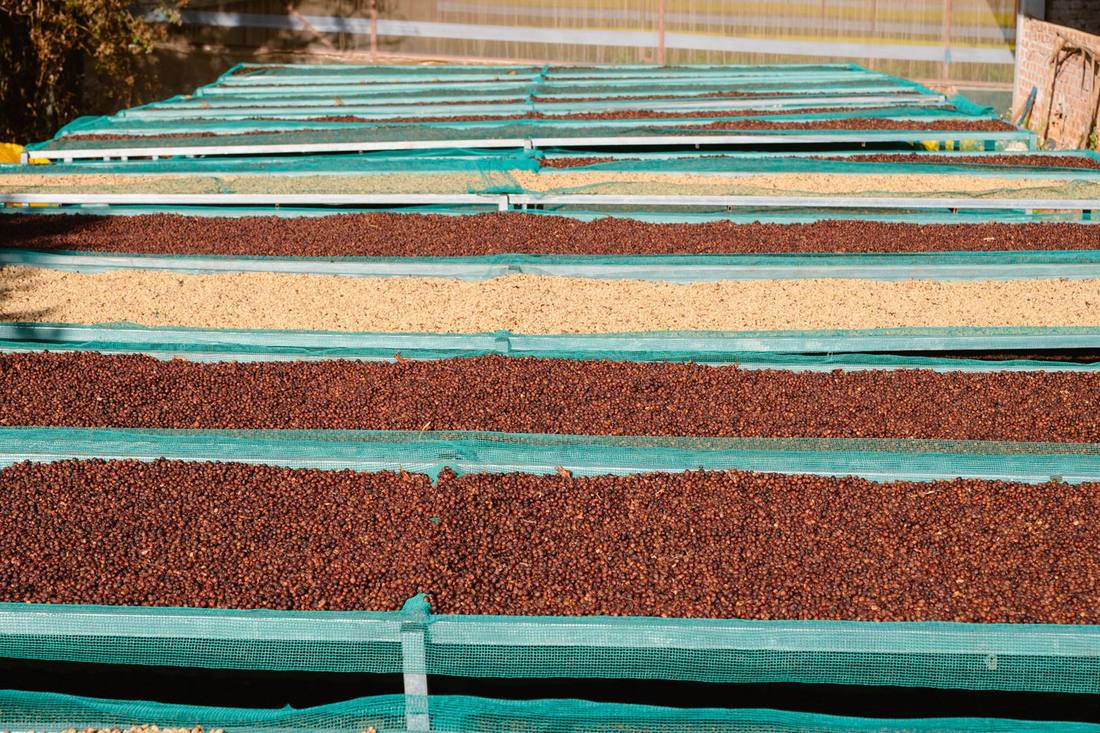
The lot is washed first, in the ordinary way, and only then decaffeinated.
The solvent is ethyl acetate, and in Colombia it is made from the cane itself. Molasses from sugarcane is fermented into ethanol, and that alcohol is combined with acetic acid to produce ethyl acetate, a compound coffee fermentation also produces on its own, and one of the more abundant ones. It bonds to caffeine and draws it out, removing up to 97 percent of it.
Ethyl acetate is a solvent, and we would rather say so than call this chemical-free, because no decaffeination is. What the method buys is a gentle one: the coffee keeps its structure, and what is missing is the caffeine rather than the cup.
Green price is the importer's published offer for this lot. Batch number, color, and development live on each batch page.